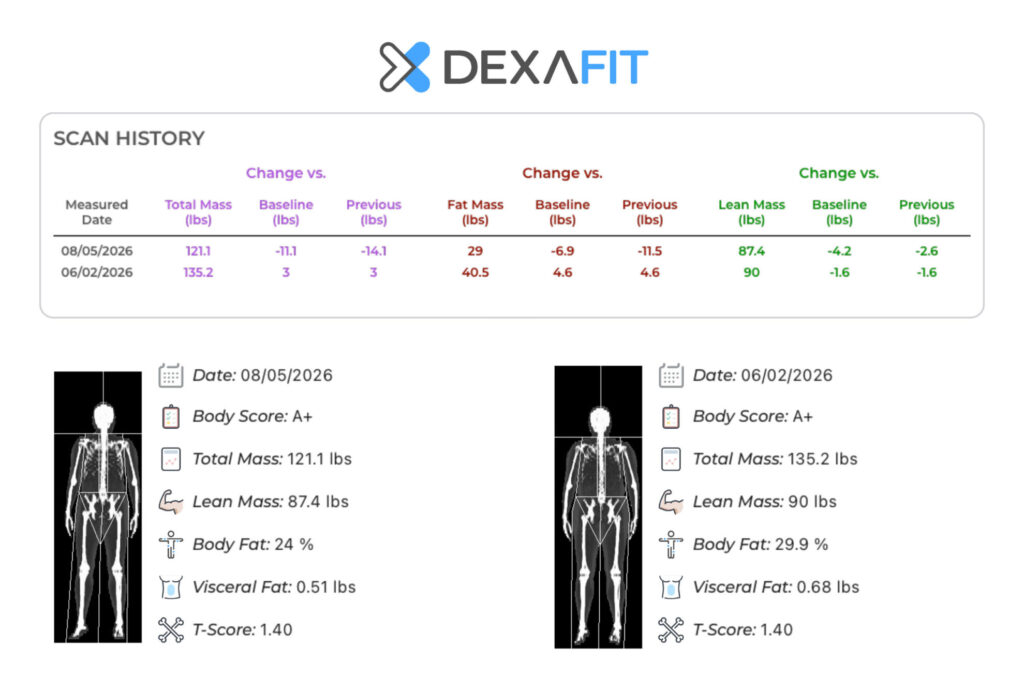
I knew I was going to be at a caloric deficit on my thru hike, just as I was in 2024 when I thru hiked the Long Trail in Vermont. So timing of my nutrition was my on trail strategy to optimize recovery of my muscles. I pre-packed food and sent myself resupply boxes to places I thought I might stay…better chance they would be open than sending them to Post Offices! Everyday as soon as I could when I was finished hiking I had a post hike protein shake, a 40 gram blast of protein, in order to start recovery for the day. I had lots of carbs at breakfast, oatmeal and freeze dried fruit, and bars to snack on mid morning and mid afternoon. I ate a full meal at lunch time, always, with rice ramen or instant brown rice. This seemed to work sufficiently, while I know I was in a state of Low Energy Availability, I never felt so insufficiently nourished that I was hitting a wall. Keeping hydrated was also a big factor in caring for my muscles during the hike. Even when I had no appetite, which did happen quite often surprisingly, having a variety of bars, and protein shake options was great when I did not feel like eating more ramen or rice!
I refined the training plan I had when I hiked the Long Trail to prepare for the 500 mile 2026 adventure from Mt. Katahdin to Killington, Vermont (Maine Jct.) I never understood using the first part of the trail to get ready for the later parts of a thru hike, seems to me that is when you are most vulnerable for injury, so I trained all winter for my hikes. Also in the winter to train my aerobic capacity I play ice hockey, snowshoe out my door, nordic ski, alpine ski, including one day a week where I would skin up my local ski area, Burke Mtn., on my telemark skis with my pack and telemark down. The result was that I did not get injured at all during my hike. Fatigued, of course. I also carried with me a stick roller and rolled my leg muscles before bed and in the morning, and sometimes my forearms and traps as well. I did 20 minutes of yoga most mornings to get warmed up for the day. Here are the exercises I used in my training plan, and what they enabled me to do functionally during my hike:
Core: Invaluable for preventing falling and coming back to center when starting to fall with a backpack on.
- Weekly pilates class (general core strength)
- Pallof press (anti-rotation)
- Russian twists with a med ball (rotating with a pack while maintaining balance)
- Hanging leg raises (getting up with a pack on- getting out of a tent, also lifting your legs while rock scrambling with hands above you)
- Wall Balls with med ball (to strengthen rotation while getting a pack on!)
- Side Planks with rotation
- Bird Dogs (develop balance)
- Bicycles on a Bosu ball (core strength on unstable platform to maintain balance on unstable surfaces…dynamic ab training!)
Upper Body:
- Tricep dips (for lowering yourself down rocks with your pack on)
- Farmer Carries (endurance work for carrying a pack)
- Shrugs (to work traps for carrying a pack)
- Dumbbell lateral raises (upper back strengthening)
- Overhand pull ups (to pull yourself up with hand holds while rock scrambling.)
- Eccentric push ups (going downhill with poles)
Lower Body:
- Single Leg pistol squats, either to a chair/bench or with a TRX (for stepping down a rock or downhill with a pack)
- Bulgarian Split Squats w/Dumbells (going up and over rocks)
- Hexbar Deadlifts (anything up and over with a pack, also- downhills)
- Calf raises (general uphill endurance)
- Band walks and monster walks (general glute/uphill strength, lateral strength.)
- Step ups on a box, and eccentric lowering down (up and down rocks!)
- Banded toe pushes and pulls (for ankle strength, maneuvering over uneven terrain, preventing shin splints)
- Dumbell Squats (lowering and lifting a pack)
- Single Leg Romanian Deadlift (picking up anything with a pack, helping with uphill hiking)
Yoga: for increasing flexibility, range of motion, isometric strength.
Remaining healthy, having no muscle or injury issues and the improved body composition (especially the loss of my post-menopausal belly fat) is evidence that this plan worked for me. Perhaps it will work for you as well.